
DENT-TASTIC
Patented Natural Active Ingredients

The science inside every tube.

DENT-TASTIC is built on two natural compounds with decades of peer-reviewed research behind them. Here's what they do, and why we chose them.

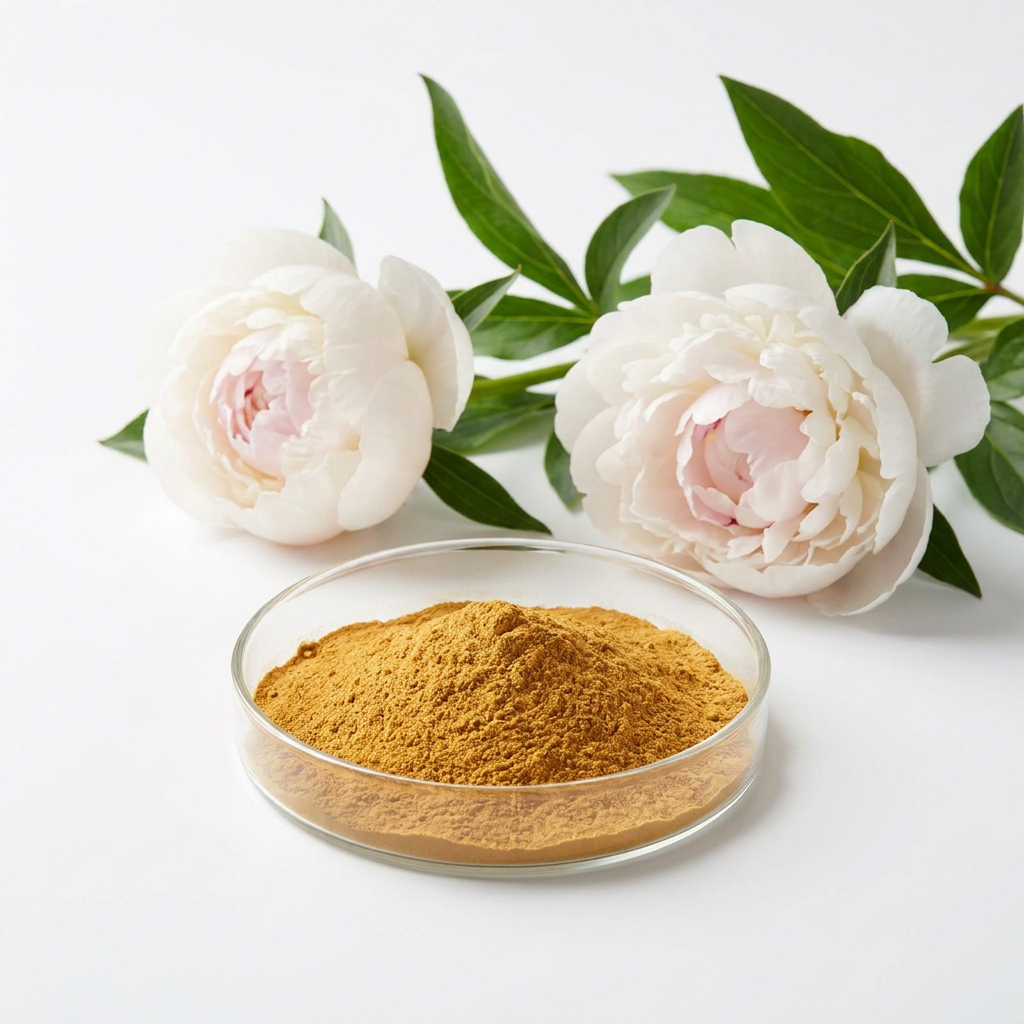
Paeoniflorin — derived from Paeonia lactiflora peony root extract
Natural Active Ingredient · Plant Extract

Paeoniflorin — the peony-root compound.

A monoterpene glycoside from the Chinese peony root.

Paeoniflorin is the principal bioactive compound in Paeonia lactiflora, used in traditional medicine for over 1,000 years. In recent research it was studied directly in human oral gingival fibroblast cultures — where the peony extract was examined for its effect on MMP-8, an enzyme marker linked to gum inflammation, and on the maintenance of type I collagen in gum tissue.[1] Related work has studied its anti-inflammatory activity in oral tissue[2] and the peony extract's antibacterial effect against Streptococcus mutans, a key driver of tooth decay.[3]

  • MMP-8

    Studied for reducing MMP-8 (~39% in vitro) in LPS-exposed gingival fibroblasts[1]*

  • Collagen I

    Type I collagen largely restored versus LPS-damaged cells in vitro[1]*

  • 1,000+ years

    of traditional use in herbal medicine

*Based on in vitro research. Educational only — DENT-TASTIC is not intended to diagnose, treat, cure, or prevent any disease.
Natural Active Ingredient · Flavonoid

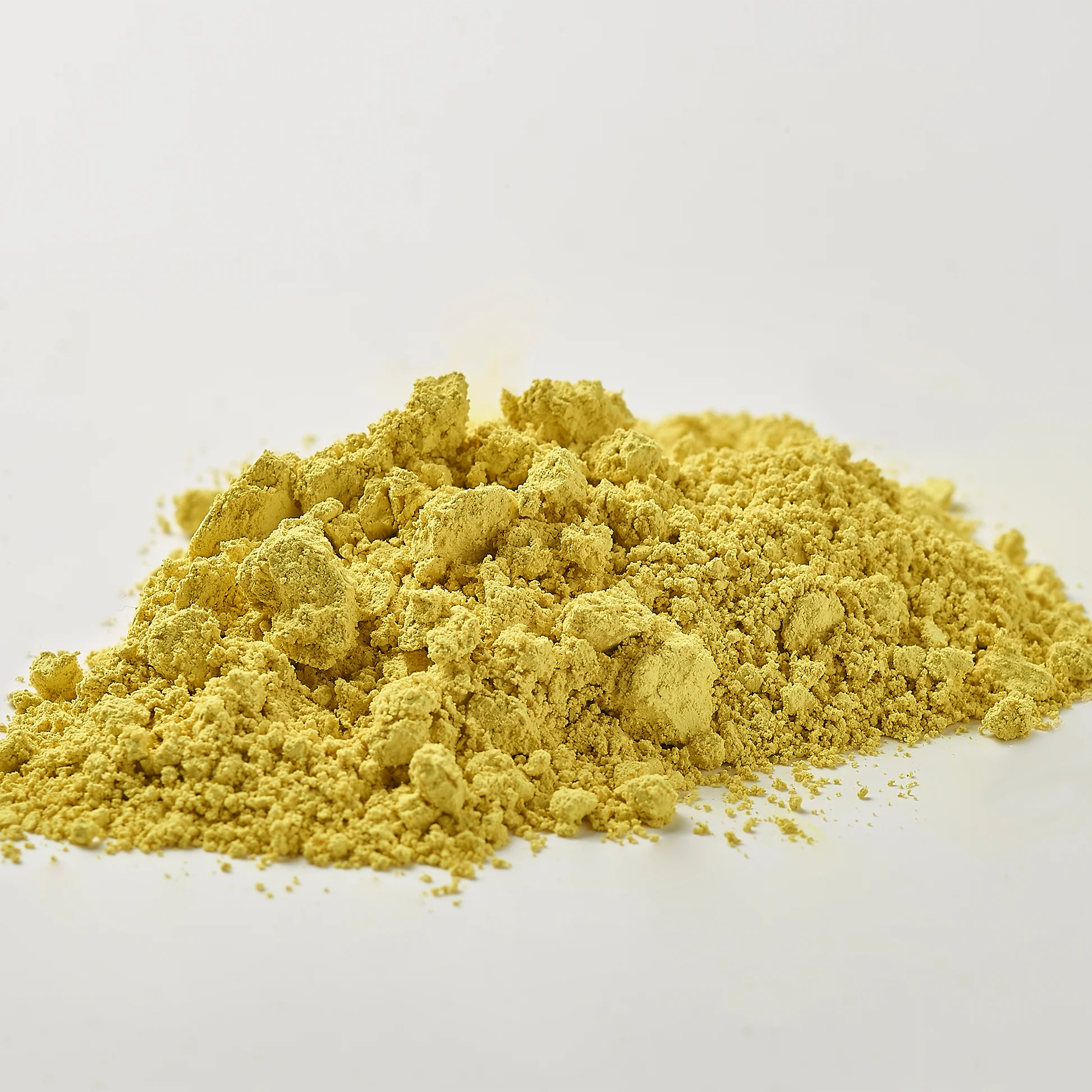
Quercetin — the plant flavonoid.

A flavonoid found in apples, onions, and capers.

Quercetin is a natural plant flavonoid widely studied for its antioxidant and antibacterial properties. In research co-authored by DENT-TASTIC founder Prof. Bakr Rabie, quercetin was shown to inhibit periodontal pathogens in vitro — including gram-negative species associated with gum disease such as Porphyromonas gingivalis and Actinobacillus actinomycetemcomitans.[4]

  • Antioxidant

    Helps protect oral tissues from oxidative stress

  • Antibacterial

    Studied against periodontal pathogens in vitro[4]

  • GRAS

    Generally Recognized as Safe by US regulators

*Based on in vitro research. Educational only — DENT-TASTIC is not intended to diagnose, treat, cure, or prevent any disease.

Quercetin — plant-derived flavonoid in crystalline powder form
US Patent 7,943,187

Protected by science. Protected by law.

The combination of Paeoniflorin and Quercetin in the DENT-TASTIC formulation is protected under US Patent 7,943,187 — granted in recognition of its novel and non-obvious approach to oral care. International patents have also been granted in Japan, China, and other major markets.

These statements describe the nature of the formulation. They do not constitute medical advice. This product is not intended to diagnose, treat, cure, or prevent any disease.

The Science

Published Research

Peer-reviewed studies behind the active ingredients in DENT-TASTIC. Provided for education only — see the disclaimer below.

  1. [1]

    Filatov V, et al. (2025). Novel prospectives of Paeonia lactiflora root extract as a natural modulator of LPS-induced inflammation and collagen I synthesis in skin and oral gingival cells. Frontiers in Natural Products. doi:10.3389/fntpr.2025.1625451

    Studied Paeonia lactiflora extract directly in human oral gingival fibroblasts — its effect on the inflammation marker MMP-8 and on type I collagen is the closest evidence to how paeoniflorin behaves in the mouth.

  2. [2]

    Yu F, Xu N, Zhou Y, et al. (2019). Anti-inflammatory effect of paeoniflorin combined with baicalin in oral inflammatory diseases. Oral Diseases. View study

    Examined paeoniflorin’s anti-inflammatory activity in oral tissue and human oral keratinocytes, supporting its role in calming oral inflammation.

  3. [3]

    Choi Y-R, Kang M-K (2022). Evaluation of Cytotoxic and Antibacterial Effect of Methanolic Extract of Paeonia lactiflora. Medicina (Kaunas). View study

    Found Paeonia lactiflora extract active against Streptococcus mutans, a primary driver of tooth decay.

  4. [4]

    Geoghegan F, Wong RWK, Rabie ABM (2010). Inhibitory effect of quercetin on periodontal pathogens in vitro. Phytotherapy Research. View study

    Co-authored by DENT-TASTIC founder Prof. Bakr Rabie; showed quercetin inhibits periodontal (gum-disease) pathogens in vitro.

*Based on in vitro research. Educational only — DENT-TASTIC is not intended to diagnose, treat, cure, or prevent any disease.

Refers to published peer-reviewed research on associations between oral bacteria and systemic health conditions. Educational only — DENT-TASTIC is not intended to diagnose, treat, cure, or prevent any disease.

Try the formulation.

One SKU. Fresh Mint 100g. HK$48 — worldwide shipping.

Shop now